Nemesbük: a quiet village cradled by the hills of Hévíz
A Zala village of some 730 residents, set among wooded hills just minutes from Hévíz. We look at the history of Nemesbük, its natural assets and what it offers from an investor's perspective.
North-west of Hévíz, in the valley of the Köszvényes stream, lies Nemesbük – one of the smallest yet most favourably situated settlements in the Keszthely District of Zala County. The village sits at an altitude of 190–260 m above sea level and is bordered by woodland on three sides.
- County, district
- Zala, Keszthely District
- Postcode
- 8371
- Population
- approx. 730 (2024)
- Area
- 998 ha
- Altitude above sea level
- 190–260 m
- Hévíz
- approx. 5 km, 7–8 minutes by car
- Keszthely
- approx. 13 km, 20 minutes by car
Historical background
Nemesbük first appears in written records in 1408. In the mid-16th century it was still known as Felsőbük; it acquired its present name around 1580. Two explanations of the name's origin survive. Local tradition traces it to the beech tree (bükk) and to the lesser nobility (nemes) who lived in the village, whereas the church chronicle derives it from the name of the medieval Byk clan.
During the Ottoman period the village held out longer than its neighbours, paying tax to the occupiers only from 1629. In the 20th century it was briefly merged with neighbouring Zalaköveskút into a single municipality, between 1930 and 1936. Today the two are independent settlements, yet a shared administrative office and many family ties still bind them together.
Ófalu and Szőlőhegy
Nemesbük has two clearly distinct parts: Ófalu (the old village) in the valley, and Szőlőhegy (the vineyard hill) stretching along the south-eastern slope. According to local memory, the village originally stood on the vineyard hill. The people of Nemesbük cultivated vines not only on their own hill but also within the boundaries of neighbouring Karmacs, Rezi and Zalaköveskút. The vineyard hill once celebrated St John's Day (Midsummer) and Trinity Sunday.
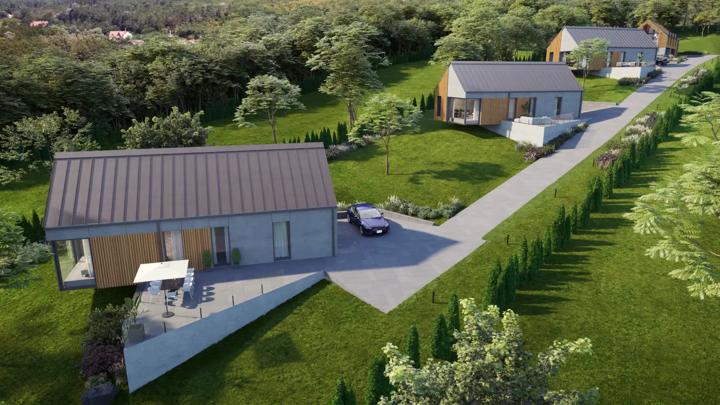
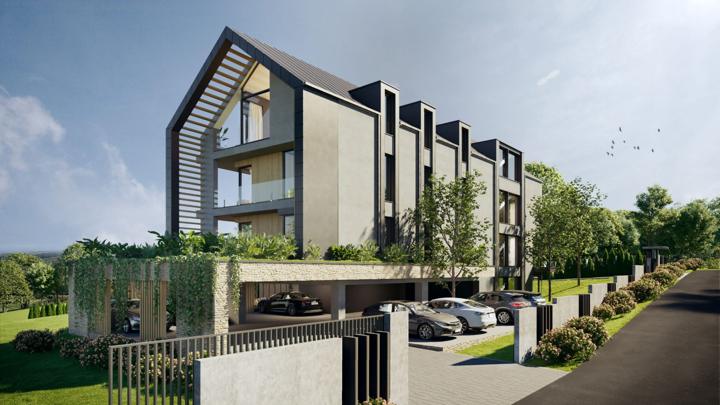
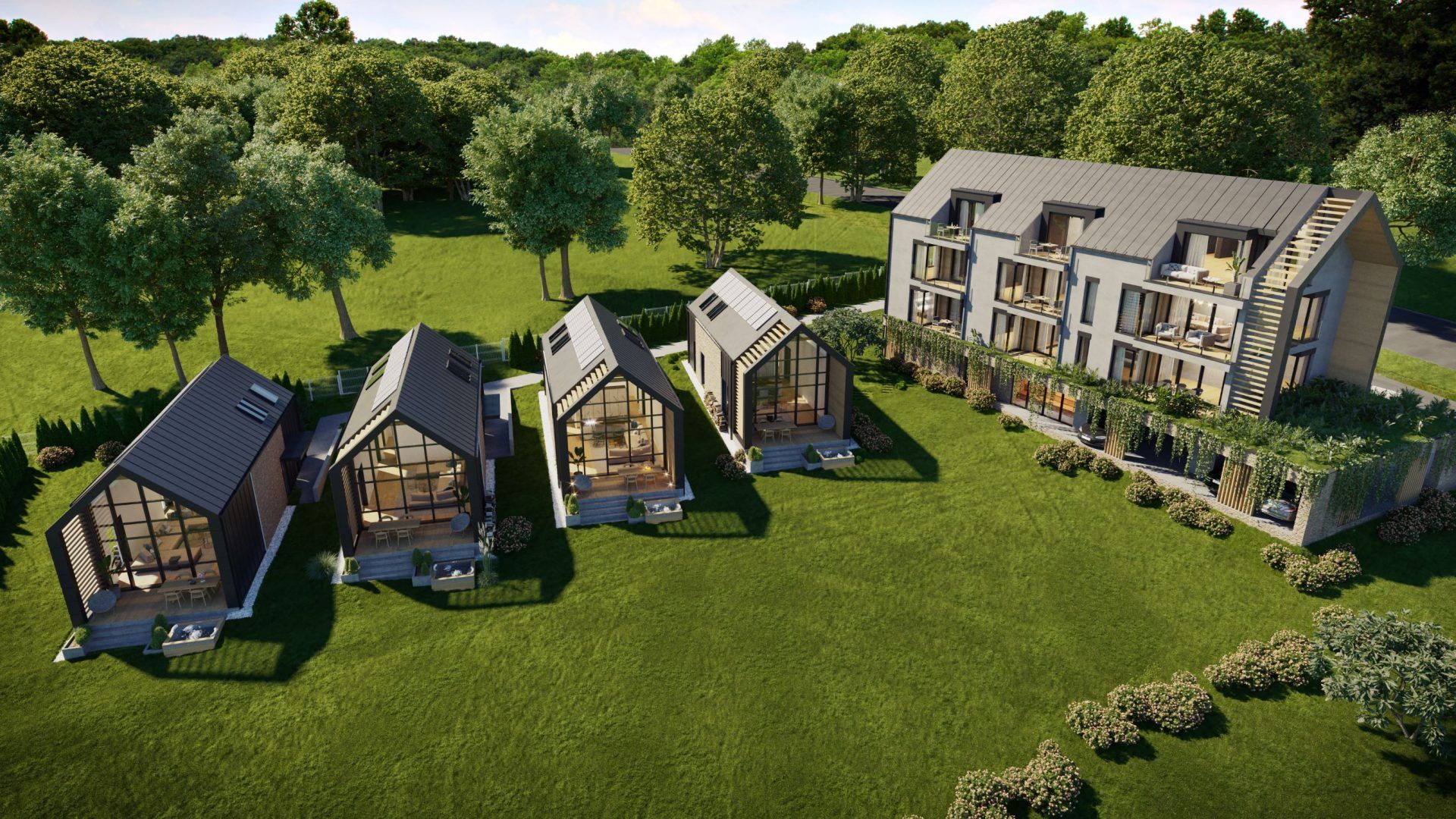
Today the sunlit hillsides are a patchwork of vineyards, orchards and newly built homes. This part of the village commands the finest views of the Keszthely Hills and, on a clear day, of Lake Balaton; it is here that the HillGate apartment building is being built.
Sights in the village
- Church of St Peter and St Paul. Built in the Baroque style in 1777 on the site of a wooden chapel dating from 1748. The village's patronal feast is the summer church festival held on the Feast of St Peter and St Paul.
- Stone cross. Dating from around 1740, it is the oldest monument in Nemesbük.
- Boundary Bridge (Határ-híd). A two-arched stone bridge over the Köszvényes stream, built in 1860 and restored in 2010.
- Cross of Light (Fénykereszt). The 7.38 m cross was erected in 2002 and is visible from afar in the evenings.
- Fishing lake. Located on the western edge of the village, it is a popular spot for relaxation.
A walk across to neighbouring Zalaköveskút is also worthwhile. There stands the Mother Teresa Lookout Tower, built in 2011, from the top of which the Zala hills and the Balaton Uplands can be seen.
Infrastructure and accessibility
Nemesbük has a small population but sits within a well-served area. Everyday services, healthcare, schools and the thermal spas of Hévíz are just a few minutes away, while Keszthely and the shores of Lake Balaton are 15–20 minutes by car. Budapest is roughly two hours via the M7 and M76 expressways.
Community life revolves around traditional celebrations; the summer village day and the church festival on the Feast of St Peter and St Paul are popular with residents and visitors alike. The village offers a tranquil setting, removed from the crowds of the spa towns but not cut off from their amenities.
Investment considerations
The principal asset of Nemesbük is its location. Demand is underpinned by several complementary drivers: the year-round medical and wellness tourism of Hévíz, Lake Balaton's summer season, and the spring-to-autumn traffic of the golf course at Zalacsány. At the same time, the village lies outside the tourist crush, which guests regard as a distinct advantage: a calmer, more nature-oriented alternative to accommodation in central Hévíz. For the owner, this means both a second home and rental potential built on diversified demand.
For details of the structure, see the HillGate investment concept and the yield model. Further analysis of the region: Hévíz, Keszthely and the proximity of Lake Balaton, and the Zala Hills and the Keszthely Hills.